Unusual Exhibition Stands in Tashkent: Standout Design Ideas
An exhibition stand can do much more than display a company logo and product samples. With a carefully planned concept, it becomes a physical representation of the brand, giving visitors a reason to stop, explore and start a conversation. Unusual exhibition stands combine distinctive shapes, creative lighting, original materials and practical features to help businesses make a stronger impression at trade shows across Tashkent and Uzbekistan.
Creative Exhibition Stand Concepts That Set Brands Apart
A memorable stand begins with a clear idea rather than an expensive collection of decorative elements. The design should communicate what the company offers, reflect its identity and make it easy for visitors to interact with the team.
Sculptural Structures and Architectural Features
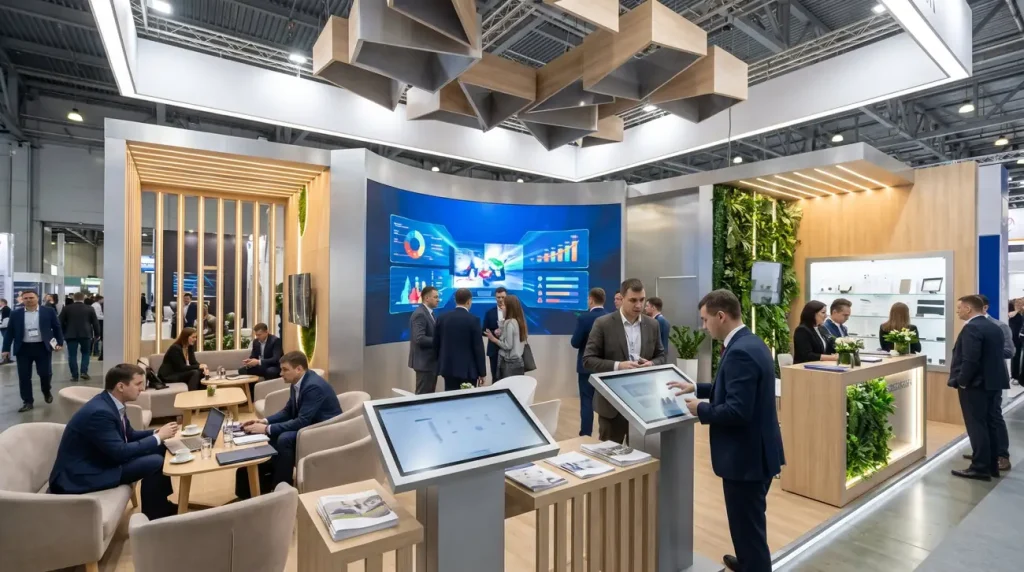
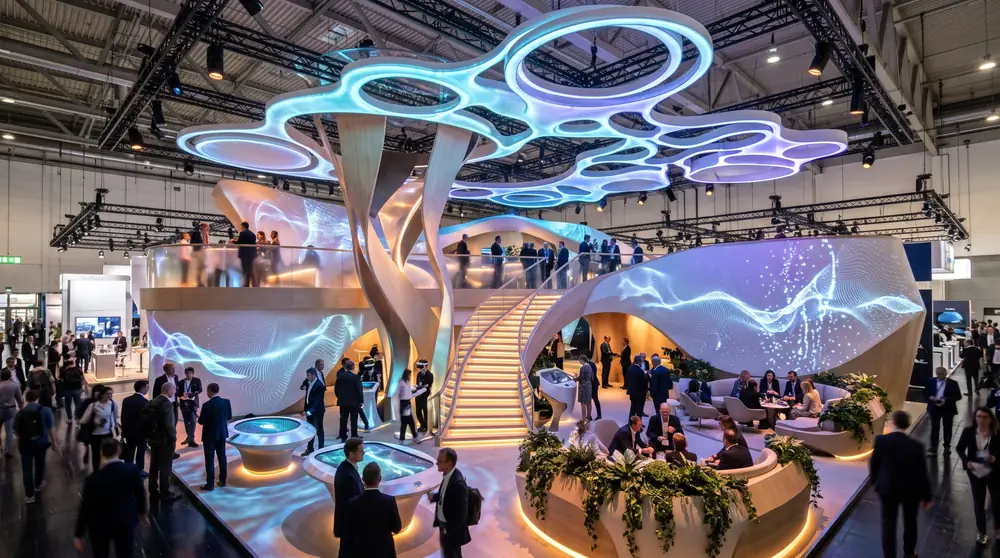
Some of the most distinctive exhibition spaces are built around a single architectural feature. It might be a curved entrance, a suspended geometric installation, an asymmetrical framework or a freestanding structure that frames the entire display.
These features create a recognisable silhouette, making the stand easier to distinguish from neighbouring exhibitors. Integrated lighting and dimensional lettering can reinforce the company’s visual identity without overwhelming the space.
Manufacturers, technology brands, property developers and industrial suppliers can benefit from this approach. However, the concept must be checked against the venue’s ceiling height, structural loading limits, access requirements and installation regulations before production begins.
Technology-Driven Displays and Interactive Experiences
Digital equipment gives visitors a way to explore products rather than simply look at printed information. Depending on the business, an exhibition stand may incorporate touchscreens, product configurators, digital catalogues, video installations or interactive 3D demonstrations.
For example, a property developer could present a virtual walkthrough of an apartment complex, while an equipment supplier could demonstrate machinery through animated sequences instead of transporting heavy units to the venue.
Technology is also becoming an important consideration for exhibition businesses. UFI’s July 2026 industry research examined artificial intelligence adoption across the exhibition sector. This broader industry trend provides context for digital innovation, although it does not establish that interactive displays automatically produce better commercial results. Global Exhibition Barometer research.
Sustainable Exhibition Displays with Natural Finishes
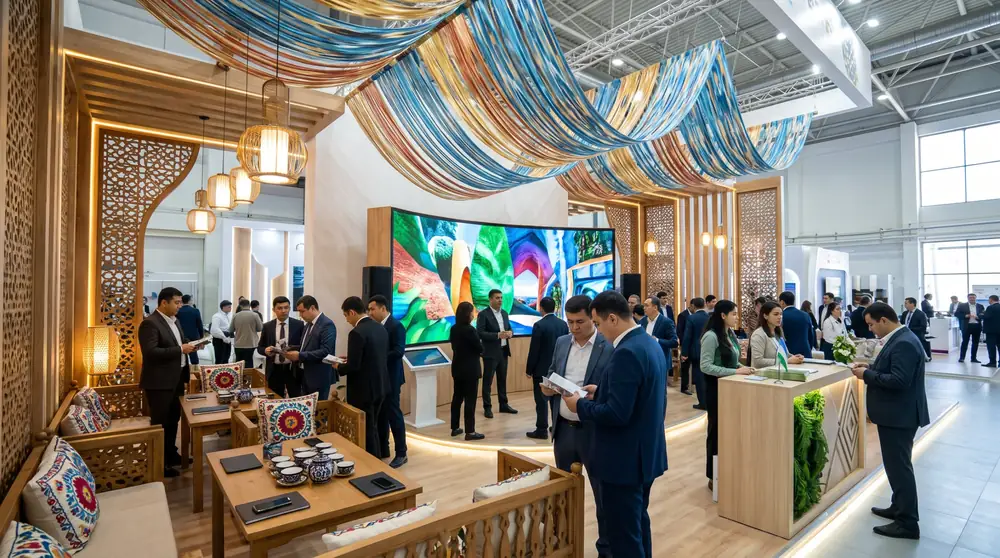
A stand can communicate a brand’s values through its choice of materials. Timber surfaces, metal frameworks, reusable panels and carefully positioned greenery create a different atmosphere from conventional printed partitions.
For companies attending several events, a reusable framework with interchangeable decorative elements can be particularly practical. The main structure remains in use, while graphics and selected components are updated for each new campaign.
The design should also account for transportation, storage, cleaning and repair. A reusable stand offers practical value only when its components can be handled efficiently and adapted to future exhibition spaces.
Branded Installations and Social Media Photo Spots
An interactive photo area can turn an ordinary exhibition visit into an experience people want to share. Depending on the brand, it could take the form of an illuminated arch, an oversized product replica, a creative seating arrangement or a themed installation.
The strongest concepts connect the visual attraction to the company’s actual offering. Visitors should be able to recognise the brand, understand its message and discover what the business provides.
A photo installation can also be integrated with a product demonstration or consultation area, allowing the design to support both brand visibility and direct communication with potential customers.
How to Select an Exhibition Stand That Delivers Results
The right format depends on what the company wants to achieve at the event. A stand designed to introduce a new product may require a different layout from one intended for technical demonstrations or private negotiations.
Research published in the Journal of Convention & Event Tourism examined visual attention to exhibition stand design using eye-tracking methods. The findings provide a useful basis for considering how physical features influence what visitors notice. Nevertheless, visual attention should not be confused with purchase intent: the overall visitor experience and relevance of the offer remain important. Academic study of exhibition stand design.
Comparing Exhibition Stand Formats
| Stand format | Design approach | Best suited for | Main consideration |
| Architectural installation | Custom shapes and prominent structures | Brand launches and corporate presentations | Engineering complexity |
| Digital presentation zone | Screens and interactive content | Product demonstrations and technical information | Power and equipment reliability |
| Sustainable display | Natural finishes and reusable components | Brands emphasising responsible design | Durability and storage |
| Experiential photo area | Branded installations and lighting | Audience engagement and brand recognition | Relevance to the product |
| Reconfigurable system | Interchangeable frames and panels | Companies attending multiple events | Adaptability to different venues |
Matching the Design to Your Business Objectives
An industrial supplier may need a robust demonstration area, space for product samples and a quiet corner for technical discussions. A consumer brand could benefit from open shelving, clear product presentation and an engaging visual centrepiece. Businesses with a regular exhibition schedule may prefer a reusable system that can be rearranged for different locations.
Before approving the design, identify the main action you want visitors to take. They might request a quotation, arrange a meeting, test a product or leave their contact details. The layout should make that action straightforward.
What Determines the Cost of a Custom Exhibition Stand?
The cost of an unusual exhibition stand depends on its specifications rather than appearance alone. Two displays of similar size can have very different budgets if one uses standard modular components while the other requires custom fabrication, integrated electronics and complex installation.
The Main Cost Factors
- Concept development and technical design. Custom layouts, engineering drawings, 3D visualisations and structural calculations contribute to the initial project cost.
- Construction and finishing. The choice of framework, panels, surface treatments and dimensional elements affects manufacturing expenses.
- Lighting and digital equipment. Screens, illuminated lettering, control systems and interactive devices add equipment and installation requirements.
- Transport and on-site work. Delivery, unloading, assembly and dismantling depend on the venue, schedule and construction method.
- Future use. Storage, maintenance, replacement graphics and adaptation for subsequent events should be considered when evaluating long-term costs.
An accurate quotation requires basic project information, including the stand dimensions, venue, event dates and preferred configuration. When comparing suppliers, check whether their estimates cover the same services. A lower manufacturing price may not represent the lowest overall project cost if installation or transport is charged separately.
From Design Brief to Finished Exhibition Stand
A structured production process helps reduce misunderstandings, avoid unnecessary revisions and keep the project aligned with the event schedule.
- Establish the commercial objective. Define the target audience, the product or service being promoted and the main result expected from the exhibition.
- Collect venue information. Provide the contractor with the floor plan, allocated area, technical regulations, access arrangements and installation deadlines.
- Approve the creative direction. Review the layout, visual hierarchy, materials, lighting, product displays and visitor routes before finalising the concept.
- Confirm the specification and quotation. Document the agreed components, production schedule, installation responsibilities and procedures for approving changes.
- Manufacture and assemble the structure. Check the finish, stability, electrical connections, signage visibility and operation of all installed equipment.
- Review the commercial outcome. Record meaningful enquiries, meetings, qualified contacts and follow-up opportunities after the event.
For examples of completed advertising and branded-space projects, explore the FocusAds project portfolio.
Exhibition Stand Design for Tashkent and Other Uzbek Cities
The location of an event influences how an exhibition project should be organised. For trade shows in Tashkent, the planning stage should account for venue access, delivery arrangements, assembly windows and any restrictions imposed by the organiser.
In Samarkand and Bukhara, businesses in tourism, hospitality and traditional crafts may want to combine product displays with visual elements that communicate their identity. Industrial exhibitors in Navoi may prioritise technical specifications, equipment samples and demonstration areas. Manufacturers and trading companies in the Fergana Valley may benefit from accessible product displays and dedicated spaces for business discussions.
These examples illustrate how stand concepts can be adapted to different industries and audiences. They should not be interpreted as statistical rankings of regional demand. Each project requires its own assessment of the event format, visitor expectations, available space and transport arrangements.
Mistakes That Can Undermine an Exhibition Stand
An ambitious design will not deliver its full value if the space is uncomfortable or the main message is difficult to understand. Several issues deserve attention before manufacturing starts.
- Too many competing visual elements. An overload of graphics and decorative features can make the display difficult to interpret. Establish a clear focal point and organise supporting information around it.
- Insufficient room for visitors. Consider circulation routes, product access, staff positions and the space needed for private conversations.
- Unresolved technical requirements. Check structural stability, electrical capacity, permitted dimensions and suspension rules with the venue before construction.
- An unclear brand message. Visitors should quickly understand what the company offers and why its products or services are relevant.
- Unexpected additional charges. Confirm transportation, equipment rental, installation, dismantling and any venue-related expenses in writing.
Where to Order a Custom Exhibition Stand in Tashkent
Choosing a contractor involves more than comparing design portfolios. It is important to establish how the concept will be translated into a finished structure and who will coordinate production, branding, equipment, transportation and installation.
FocusAds provides advertising structures, branding solutions and commercial space design services. Available areas of work are presented in the Focus Advertising services catalogue.
For an initial project assessment, prepare the event details, allocated dimensions, required installation date, preferred design style and approximate budget. Reference images and a venue floor plan can help the team understand your expectations more precisely.
To discuss your requirements and request a project estimate, contact the team through the Focus Advertising contact page.
Frequently Asked Questions About Exhibition Stands
What Makes an Exhibition Stand Different from a Standard Display?
An unusual stand uses a distinctive spatial concept, custom-built features, unconventional materials or interactive elements to create a recognisable brand environment. Its purpose is to combine visual differentiation with a practical way to present products and communicate with visitors.
How Early Should an Exhibition Stand Be Ordered?
The schedule depends on the design complexity, material availability, equipment requirements and venue regulations. Allow sufficient time for concept development, technical approvals, manufacturing, transportation and installation. Complex structures generally require more coordination than standard modular displays.
Can an Original Exhibition Stand Be Created on a Limited Budget?
Yes. A memorable result does not necessarily require a large structure or extensive digital equipment. A distinctive silhouette, carefully selected finishes, focused lighting and well-positioned branding can create a strong visual impression without unnecessary complexity.
Is Renting or Buying an Exhibition Stand More Cost-Effective?
Renting may suit companies attending a single event or testing a new exhibition format. Purchasing a reusable modular stand can be worth considering for businesses with recurring events. Compare the expected costs of production or rental, transport, storage, maintenance and reconfiguration over the intended period of use.
Can Exhibition Stands Be Delivered to Cities Outside Tashkent?
This depends on the contractor’s capabilities, the project specifications and the event schedule. For exhibitions in Samarkand, Bukhara, Navoi, Fergana and other Uzbek cities, transportation, venue access, assembly and dismantling arrangements should be agreed upon in advance.
Create an Exhibition Stand That Represents Your Brand
A well-planned exhibition stand gives businesses a dedicated space to present their products, build professional relationships and attract relevant enquiries. Its effectiveness depends on more than an unusual appearance: the design, layout, materials and visitor experience must work together to support the company’s objectives.
Contact FocusAds to discuss your exhibition requirements, explore a custom design concept and request an estimate for an unusual exhibition stand in Tashkent or elsewhere in Uzbekistan.

Related Posts
Exhibition Stand Production in Tashkent: From Concept to Installation
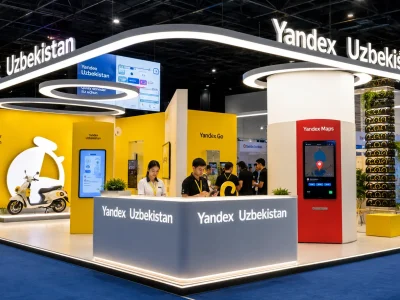
Exhibition stand production includes concept development, design, material selection, construction, branding, delivery and installation. In Tashkent, stands are created for…
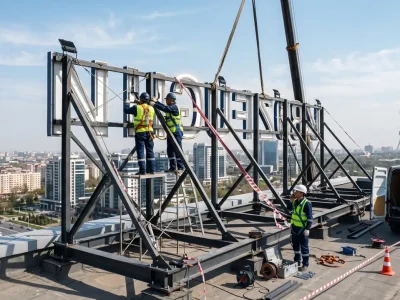
Advertising Structures in Tashkent: Custom Design and Installation
Advertising structures are engineering and visual solutions designed to promote businesses, enhance building exteriors, and brand commercial properties and construction…
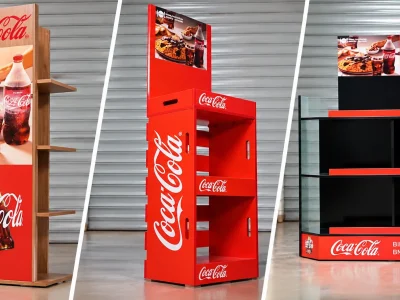
Exhibition Display Cases: How to Choose and Order in Tashkent
Exhibition display cases help protect exhibits while making them a noticeable part of an exhibition. The design is selected based…

REQUEST A CALL
Leave a request. Our managers will contact you soon and calculate the cost of your project.