


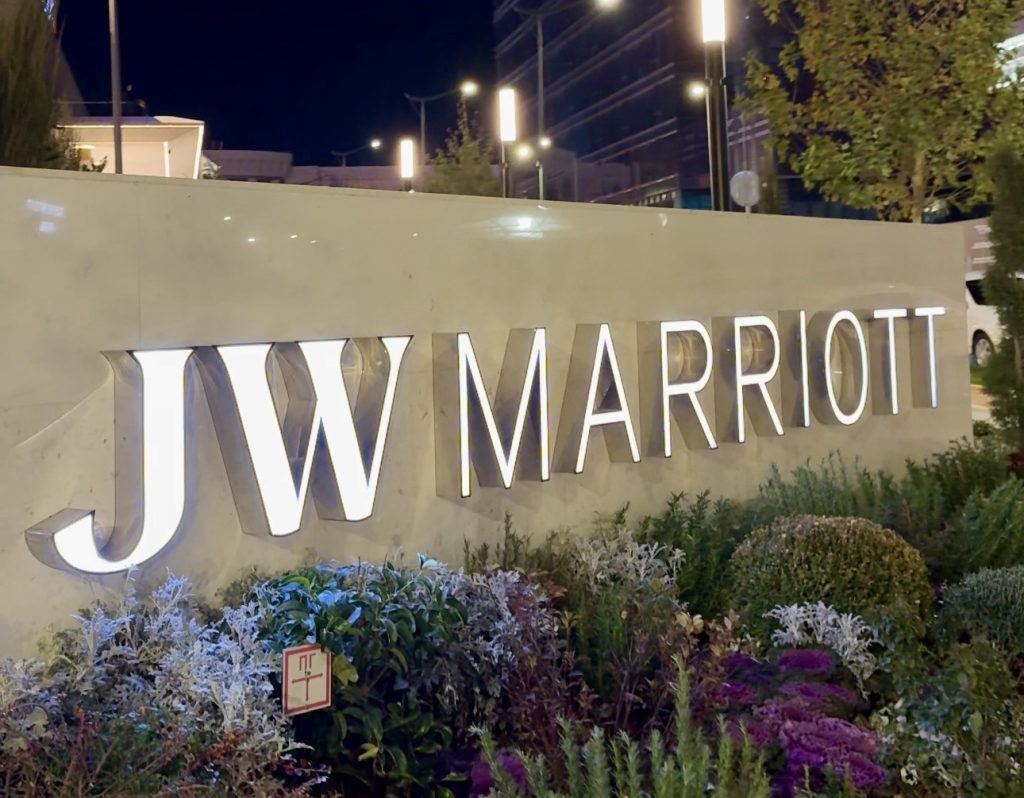
How Good Signage Affects Sales and Brand Perception
For many companies, a sign is the first physical touchpoint between the customer and the brand. Before talking to a manager, before getting to know the product, and even before entering the premises, a person is already forming an impression. That is why a sign is not just a location marker, but a full-fledged marketing and sales element.
When a sign is done correctly, it solves several problems at once. First, it helps identify the object quickly. Second, it makes the brand visible in the urban environment. Third, it strengthens trust through a neat and professional appearance. Finally, it helps the company stand out from competitors, especially in a saturated commercial environment.
The problem is that many businesses underestimate this tool. Often, a sign is ordered as an afterthought: “as long as it’s visible.” As a result, the company gets a structure that formally exists but fails to work for the brand image. Poor material selection, fonts that are too small, weak lighting, visual noise, or awkward proportions — all of these diminish the effect.
A good sign should be functional, not just beautiful. It must be readable from the required distance, clear, and visually cohesive. It is important to consider the viewing angle, surrounding buildings, time of day, facade features, and the logic of pedestrian and vehicle traffic. In some cases, the decisive factor isn’t even size, but how professionally the composition is organized.
For retail chains, the importance of signage is even higher. It becomes part of the corporate standard and must perform equally well across different locations. This is why high-quality execution is just as vital as the design itself. When a brand consistently looks respectable at various points, it reinforces recognition and creates a sense of scale and reliability.

Related Posts

Wayfinding in Commercial Spaces: The Small Detail Everyone Notices
When a person enters a retail space, office, clinic, business center, or any large commercial site, it is vital for…
Signage Advertising Agency in Uzbekistan: Where to Order Effective Advertising
A signage advertising agency is a key partner for businesses in Uzbekistan that aim to attract customers offline on a…
Production of mobile exhibition stands in Tashkent — order now
A mobile stand is a convenient solution for companies that need to quickly set up a presentation or promotional space…

REQUEST A CALL
Leave a request. Our managers will contact you soon and calculate the cost of your project.