


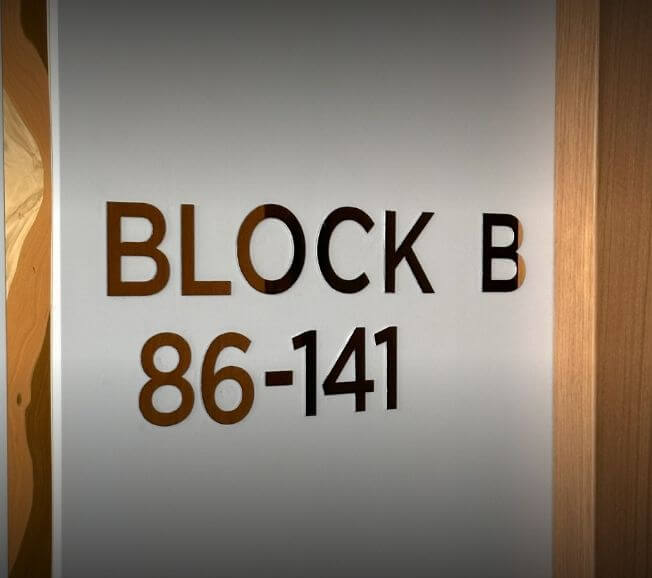
Wayfinding in Commercial Spaces: The Small Detail Everyone Notices
When a person enters a retail space, office, clinic, business center, or any large commercial site, it is vital for them to quickly understand where to go and how to navigate the space. This is where wayfinding comes into play. Although many companies perceive it as a secondary element, in practice, it directly affects convenience, impressions, and the overall customer experience.
Good wayfinding reduces stress. A person doesn’t have to ask for directions, search for a specific office, wander between floors, or get lost in a sea of information. Clear signs, plaques, direction markers, and visual cues make the space more friendly and manageable.
From a business perspective, wayfinding solves far more problems than it might seem. It helps organize foot traffic, reduces the burden on staff, makes the space feel more professional, and enhances the overall impression of the facility. In large commercial projects, it is difficult to ensure comfortable interaction with the space without it.
At the same time, effective wayfinding is not just a collection of arrows and labels. It must be logical, visually consistent, and adapted to the specific site. It is crucial to consider the architecture, movement scenarios, lighting levels, installation height, and readability from the required distance. Wayfinding should be noticeable but not intrusive.
It is also vital that wayfinding elements are integrated into the overall style of the space. When plaques, signs, and information carriers are designed in a unified aesthetic with the interior and the company brand, the facility is perceived as cohesive and professional. This, in turn, influences not only convenience but also reputation.

Related Posts

Installation of Advertising Billboards in Uzbekistan: What Really Works in 2026
The installation of advertising billboards has once again become one of the most visible offline marketing channels for businesses in…

Interior Branding for Business: Why a Brand Must Work Inside as Well as Out
Many companies invest in their facade and outdoor advertising but underestimate interior branding. Yet, it is inside the space where…
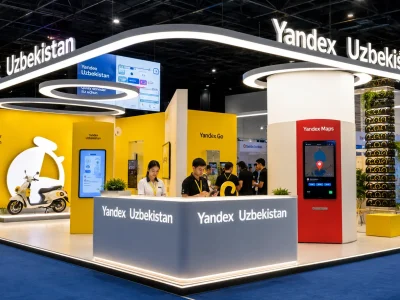
Exhibition Stand Production in Tashkent: From Concept to Installation
Exhibition stand production includes concept development, design, material selection, construction, branding, delivery and installation. In Tashkent, stands are created for…

REQUEST A CALL
Leave a request. Our managers will contact you soon and calculate the cost of your project.